How Hail, Wind, and Fallen Branches Can Damage Your Roof
Roofs are built to withstand a lot, but severe weather can push them past their limits. Hail, high winds, and falling branches each cause distinct kinds of damage. Understanding how these forces affect your roof helps you spot trouble early and decide when to call for help.
How Hail Damages a Roof
Hailstones form when updrafts in a thunderstorm carry raindrops upward into freezing air. The stones grow as more water freezes onto them, and they can reach the size of golf balls or larger. When hail strikes a roof, the impact depends on the stone's size, density, and the angle of the hit.
Asphalt shingles are especially vulnerable. A direct hit from a large hailstone can crack or dislodge a shingle, removing the protective layer. Over time, even small cracks let water seep into the underlying deck. Wood rot and mold may follow. Metal roofs fare better in some ways, but hail can dent soft metals like aluminum, creating low spots where water pools. Those dents may not leak immediately, but they weaken the metal and can lead to corrosion.
Tiles, especially clay or concrete, can crack or chip under heavy hail. A single cracked tile might not leak right away, but the integrity of the roof is compromised. Once water finds the crack, the damage can spread to the underlayment and roof structure.
What this means for you: after a hailstorm, inspect your roof from the ground with binoculars. Look for missing shingles, cracks, dents, or displaced tiles. If you spot anything, a closer inspection by a professional is wise. Hail damage often goes unnoticed until a heavy rain reveals the leak.
Wind Uplift and Its Effects
Wind doesn't just push against a roof; it creates lift. When wind flows over a roof, it speeds up across the ridge, lowering the pressure above the roof surface. Meanwhile, the pressure inside the building stays higher. That pressure difference pulls upward on the roof deck. This is called wind uplift.
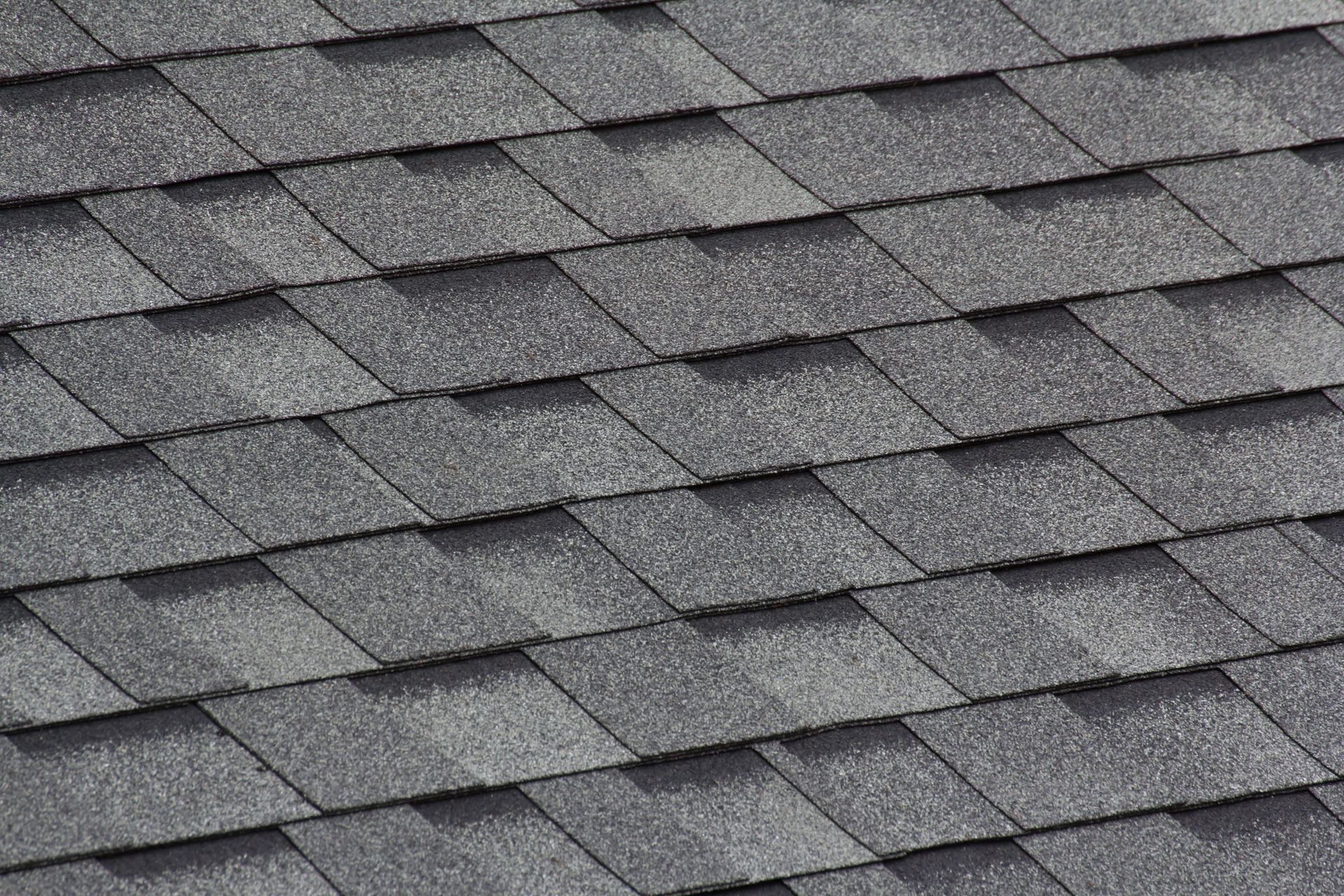
On a windy day, shingles can lift and flutter. Over time, the fasteners loosen. A single missing shingle creates a gap. Wind then gets under the next shingle, prying it up. This can peel back large sections of roofing in a matter of minutes. The damage often starts at the edges and ridges, where wind forces are strongest.
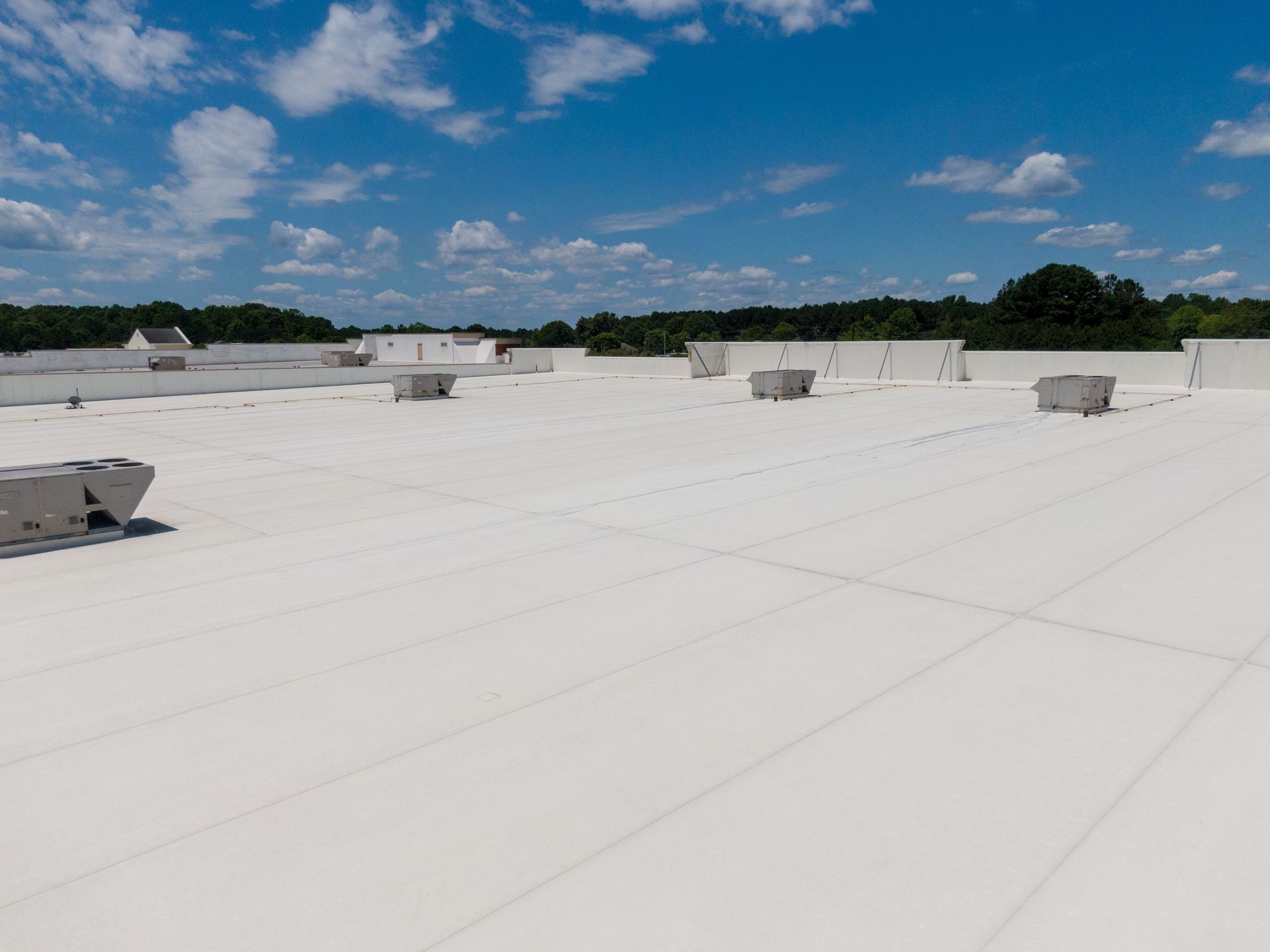
Flat or low-slope roofs are also at risk. The roof membrane can balloon upward, tearing away from the roof edge or pulling loose from the fasteners. Once the membrane is breached, water can enter the building. Wind-driven rain makes matters worse, forcing water into tiny gaps that would normally stay dry.
How to protect against it: make sure shingles or panels are securely fastened. A roof that is properly installed with the right number of fasteners per square foot can resist uplift much better. If you notice curling shingles or exposed nail heads, those are early signs of wind damage. A professional roof inspection can catch these vulnerabilities before the next storm.
Fallen Branches and Structural Damage
A heavy branch landing on a roof can crack rafters, punch holes through the deck, or dislodge entire sections of roofing. The damage depends on the branch's weight, the height it falls from, and the condition of the roof. A rotten or poorly supported roof deck is more likely to give way.
Sometimes the branch itself doesn't hit the roof directly. It can fall on a power line, which then whips against the roof edge. Or the branch may break off a nearby tree, slide down the roof, and scrape off shingles along the way. The result is the same: exposed wood, torn underlayment, and a path for water.
Even if the branch doesn't break through, the impact can loosen rafters or push the roof deck out of alignment. Over time, that hidden damage can lead to sagging or misalignment of the roof structure. The repair may involve replacing damaged framing, not just patching the surface.
After a storm with high winds, check for fallen branches on your property. If a branch has struck your roof, do not try to remove it yourself if it is large or tangled with power lines. Call a professional. They can safely remove the debris and assess the underlying damage.
The Role of Roof Inspections
A roof inspection is the best way to catch damage early. After any major storm, a professional can walk the roof and check for:
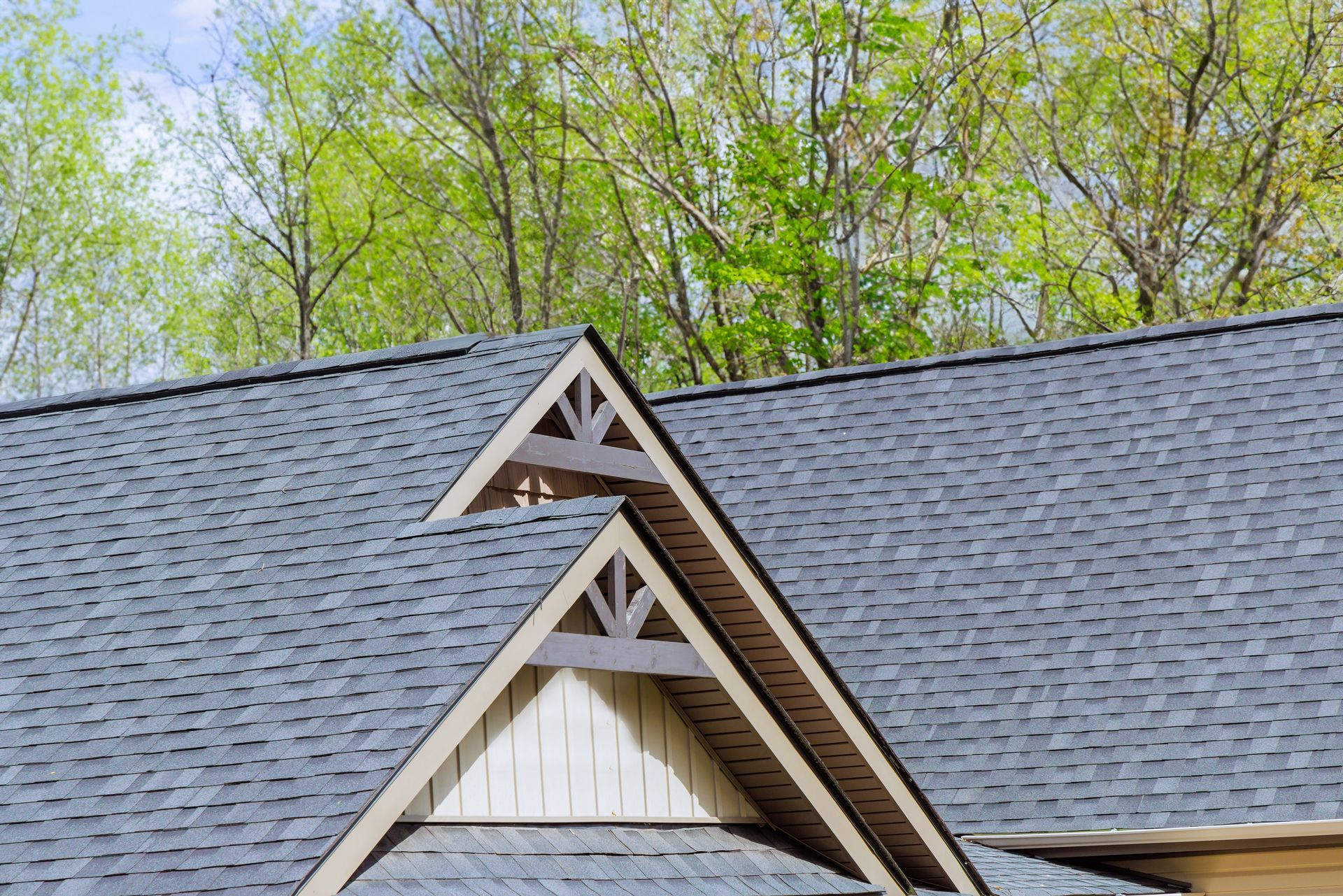
- Missing or damaged shingles
- Dents or cracks in metal or tile
- Loose fasteners or flashing
- Signs of water entry in the attic
- Structural shifts in the roof deck
Many people overlook the attic. A flashlight and a careful look at the underside of the roof deck can reveal water stains, daylight through cracks, or sagging rafters. Those are sure signs that the roof has been compromised.
If you find damage, a temporary tarp can keep water out until a permanent repair is made. But a tarp is only a stopgap. The underlying issue needs to be fixed properly to prevent future leaks and structural problems.
Insurance and the Claims Process
Storm damage to roofs is typically covered by homeowner's insurance, but policies vary. Most policies cover hail and wind damage, but may exclude damage caused by neglect or lack of maintenance. Fallen branches are usually covered if the tree was healthy and the storm was the cause of the fall.
Document everything. Take photos of the damage from multiple angles. Save any receipts for temporary repairs like tarps. Contact your insurance company promptly. They may send an adjuster to assess the damage before you hire a roofer.
One important note: do not start permanent repairs before the insurance adjuster sees the damage, unless you need a tarp to prevent further water intrusion. The adjuster needs to see the full extent of the damage to write a proper estimate.
When to Seek Professional Help
Some roof damage is obvious: a hole in the deck, a missing section of shingles, a sagging roofline. Other damage is subtle. A few cracked shingles or a small dent in a metal roof might not seem urgent, but they can lead to bigger problems over time. The same goes for wind uplift that has loosened fasteners but not yet torn shingles off.
If you are unsure, a professional inspection is a small investment compared to the cost of a full roof replacement. A roofer can identify hidden damage and recommend the right repairs. They can also help you decide whether to repair a section or replace the whole roof, depending on the age and condition of the existing materials.
For residents of Northern Florida, storms are a regular part of life. Having a reliable roofing contractor you can trust is essential. That is where a company like READY ROOFING, LLC comes in. They provide residential and commercial roof repairs, replacements, inspections, and storm damage restoration across Northern Florida. Their team can assess damage from hail, wind, or fallen branches and get your roof back in shape.
Ready Roofing, LLC is located at 5105 Philips Hwy Ste 205, Jacksonville, FL 32207, USA, and can be reached at +1 904-404-9849 for any roofing needs.
Taking action quickly after a storm can prevent small damage from becoming a major expense. Whether you need a simple repair or a full restoration, addressing the problem early keeps your home dry and your roof strong for years to come.
READY ROOFING, LLC is also on Instagram.